Canada is one of the most popular countries people choose when they want to relocate abroad. Many people are attracted by its stable economy, good education system, quality healthcare, and welcoming attitude toward immigrants.
Canada also values diversity, which makes it easier for newcomers to feel accepted and build a new life. However, migrating to Canada is not a one-size-fits-all process. There are different pathways, and each one is designed for specific types of people. Understanding these options is the first important step.
Below are five common and practical ways to migrate to Canada, explained in simple terms.
1. Express Entry Program
The Express Entry system is one of the fastest and most popular ways to migrate to Canada, especially for skilled workers. It is not a visa by itself but an online system the Canadian government uses to select people for permanent residence.
This program is mainly for people who have work experience, education, and language skills. When you apply, you create an online profile and provide details such as your age, level of education, work history, and ability to speak English or French. Based on this information, you are given a score. The higher your score, the better your chances.
Canada regularly selects people with high scores and invites them to apply for permanent residence. If you receive an invitation, you can then submit full documents and wait for a decision. Many people like Express Entry because it is transparent and relatively quick compared to other immigration routes.
However, competition can be high. To improve your chances, you may need strong English test results, relevant work experience, or additional qualifications. Even though it may look technical at first, many people successfully use this system every year.
2. Provincial Nominee Program (PNP)
Canada is made up of provinces and territories, and each one has its own economic needs. The Provincial Nominee Program allows these provinces to select immigrants who can help fill labor gaps in their region.
This pathway is suitable for people whose skills match what a particular province is looking for. For example, one province may need healthcare workers, while another may need engineers or farmers. If a province nominates you, it means they want you to live and work there.
Some PNP streams are linked to the Express Entry system, while others operate separately. In many cases, having a job offer from an employer in that province can greatly increase your chances, although it is not always required.
The main advantage of PNP is that it opens doors for people who may not score high enough under Express Entry. The downside is that you are expected to live in the province that nominates you, at least in the beginning. Still, for many people, this program offers a realistic and achievable path to Canada.
3. Study Pathway
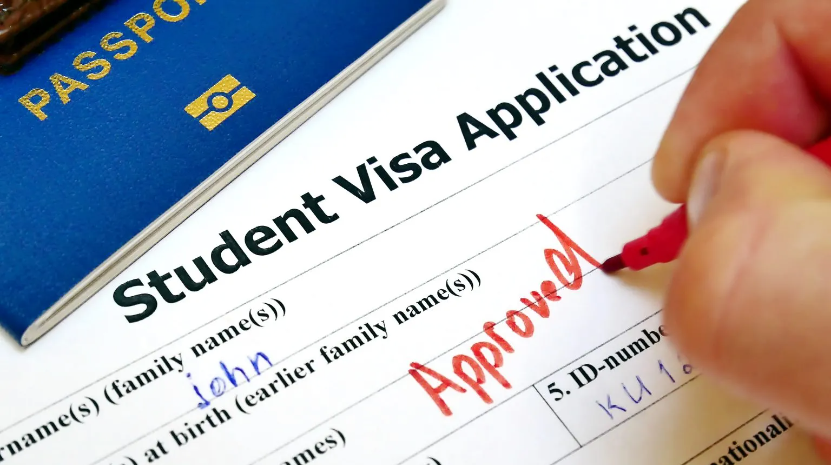
Studying in Canada is another common way people migrate, especially young adults. Canada has many well-respected colleges and universities, and international students are welcomed from all over the world.
When you study in Canada, you usually apply first for a study permit. While studying, you are often allowed to work part-time. After graduation, many students can apply for a work permit that allows them to gain Canadian work experience.
This work experience can later help them qualify for permanent residence through programs like Express Entry or Provincial Nominee Programs. Many people choose this route because it allows them to adapt to life in Canada before applying to stay permanently.
The study pathway does require financial planning, as tuition and living costs can be high. However, for those who can afford it, this route provides education, work experience, and a smoother transition into Canadian society.
4. Family Sponsorship
Canada strongly believes in keeping families together. Through family sponsorship, Canadian citizens and permanent residents can sponsor certain family members to come and live in Canada.
Eligible family members may include spouses, common-law partners, dependent children, parents, and grandparents. The sponsor must prove that they can financially support the person they are sponsoring, so the newcomer does not struggle after arriving.
This pathway is less about skills or education and more about genuine family relationships. The application process involves background checks and verification to ensure the relationship is real.
While processing times can sometimes be long, family sponsorship remains one of the most secure ways to migrate because it is based on long-term settlement and support. For many families, it is a life-changing opportunity to reunite and build a future together.
5. Work Permit and Employer-Sponsored Migration
Another way to migrate to Canada is through a job offer from a Canadian employer. In this case, you usually apply for a work permit that allows you to work legally in Canada for a specific employer.
Some employers are willing to sponsor foreign workers when they cannot find local workers to fill certain roles. These jobs can range from skilled professions to trades and even seasonal work.
Once you gain Canadian work experience, you may become eligible to apply for permanent residence. Many immigrants start with a temporary work permit and later transition to permanent status.
This route can be challenging because finding an employer willing to sponsor you is not always easy. However, for people with in-demand skills, it can be a very practical option. It also allows you to start earning immediately and understand the Canadian work environment firsthand.
Final Thoughts
Migrating to Canada is a serious decision that requires patience, planning, and accurate information. There is no single “best” way to migrate, because the right path depends on your background, goals, and personal situation. Some people succeed through skills and work experience, while others use education or family connections.
What matters most is choosing a pathway that fits you and preparing properly. With the right approach, Canada can offer not just a new country, but a new beginning.